Electric Motors Used 53% of Global Electricity in 2023 as Demand-Based Controls Offer Savings
| Shelf | Bitcoin |
|---|---|
| Date in | |
| Readers | 950 |
Motors used 13,462 TWh in 2023. Researchers estimate speed controls could reduce wasted power across pumps, fans and compressors.
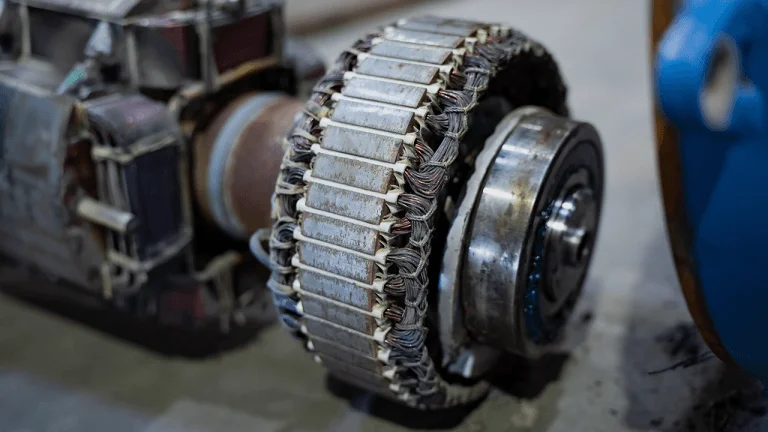
Electric motors and the equipment they drive used 13,462 terawatt-hours (TWh) of electricity in 2023, equal to 53% of global power consumption, according to the International Energy Agency (IEA). That scale makes motor efficiency a system-level energy issue: even modest reductions in unnecessary operating speed could affect demand across factories, farms, transport and buildings.

Motor-driven electricity demand grew 26% from 2015 to 2023, compared with 24% growth in total electricity use over the same period. The figures point to a load that is expanding slightly faster than the overall total. They also suggest that improving the performance of installed equipment could matter alongside efforts to meet rising demand.
Motor use varies sharply by sector
The IEA estimates that motor-driven systems account for 72% of electricity use in industry, 87% in agriculture and 86% in transportation. In buildings, the share is 36%. Those differences reflect how much each sector relies on equipment that turns electrical power into motion: industrial pumps and conveyors, farm machinery, vehicle drivetrains, and building fans and heating or cooling systems.

These systems are often counted as separate pieces of equipment, but their energy use adds up across many sites and applications. A pump moving water, a fan circulating air and a compressor maintaining pressure each have different jobs. The common factor is that their electricity demand depends in part on how hard and how long they run.
The overall figures don’t show which specific machines are inefficient or how much any individual operator could save. They do establish the scale of the opportunity researchers are examining: motor-driven loads represent a large portion of electricity use, and demand for them has continued to rise.

Why fixed speed can waste power
Many motors run at a constant speed even when the task changes. A pump may continue moving fluid at its usual rate when a process needs less; a fan may keep pushing air at full speed when demand has fallen. In some systems, operators regulate output by restricting flow or otherwise adding resistance. The motor keeps working, although the process needs less output.
Variable frequency drives, or VFDs, can adjust a motor’s speed to match the task. For pumps and fans, a lower operating speed can reduce power demand substantially. The relationship between speed and power is why changing motor output can yield larger savings than simply trimming speed by the same percentage. The size of the benefit depends on the equipment and operating conditions, so estimates for a broad fleet should be read as potential savings, not a guarantee for every installation.

Demand-based control also requires the right setup. Operators need equipment that can vary speed, a control system that responds to actual process requirements, and a reliable way to measure whether performance has improved. A drive alone cannot ensure lower consumption if the motor continues to run when it is not needed or if the process calls for the same output throughout the day.
European estimate puts a number on the potential
Researchers at Fraunhofer ICT assessed pumps, fans and compressors in Europe, where many systems still run at fixed speed. Their estimate is that demand-based speed control could save 140 TWh of electricity per year in the European Union, about 5% of the bloc’s electricity use. They also estimate that the change could avoid roughly 38 million metric tons of carbon dioxide emissions annually.
Those figures describe a modeled opportunity across equipment, rather than measured savings from a single retrofit. Real results would depend on which machines are upgraded, how they operate now, and whether the new controls are configured and maintained to track demand. The estimate nevertheless gives the discussion a useful scale: the researchers’ projected annual savings are measured in a meaningful share of regional electricity consumption.
What operators and system designers should watch
For industrial operators, the practical question is how existing motors behave across a full operating cycle. A machine that appears well matched to peak demand may spend much of its time serving a smaller load. Reviewing speed profiles, run hours and process requirements can help identify where adjustable controls may fit. The same approach applies to building ventilation, water systems and agricultural equipment.
Efficiency gains can come from the wider system, not only from replacing a motor with a newer model. The motor, drive, pump or fan, and the process it serves work together. Changing one component without considering the others can limit the result or create operating problems. Good measurement matters too: operators need to compare power use under similar workloads and verify that process output remains within requirements.
The IEA figures make motor-driven demand difficult to treat as a niche engineering concern. It is a large and growing part of global electricity use, while the Fraunhofer ICT estimate suggests that better speed matching could reduce some of the demand from equipment already in service. The key measure to follow is whether projected savings translate into verified reductions across real operating systems.