Ledger Atom Combines Everyday Apps With a Separate Secure Approval System
| Shelf | Ethereum & Altcoins |
|---|---|
| Date in | |
| Readers | 624 |
Ledger’s $849 Atom pairs Android apps with a separate secure chip, while reservations come with a refundable deposit and delivery dates remain uncertain.
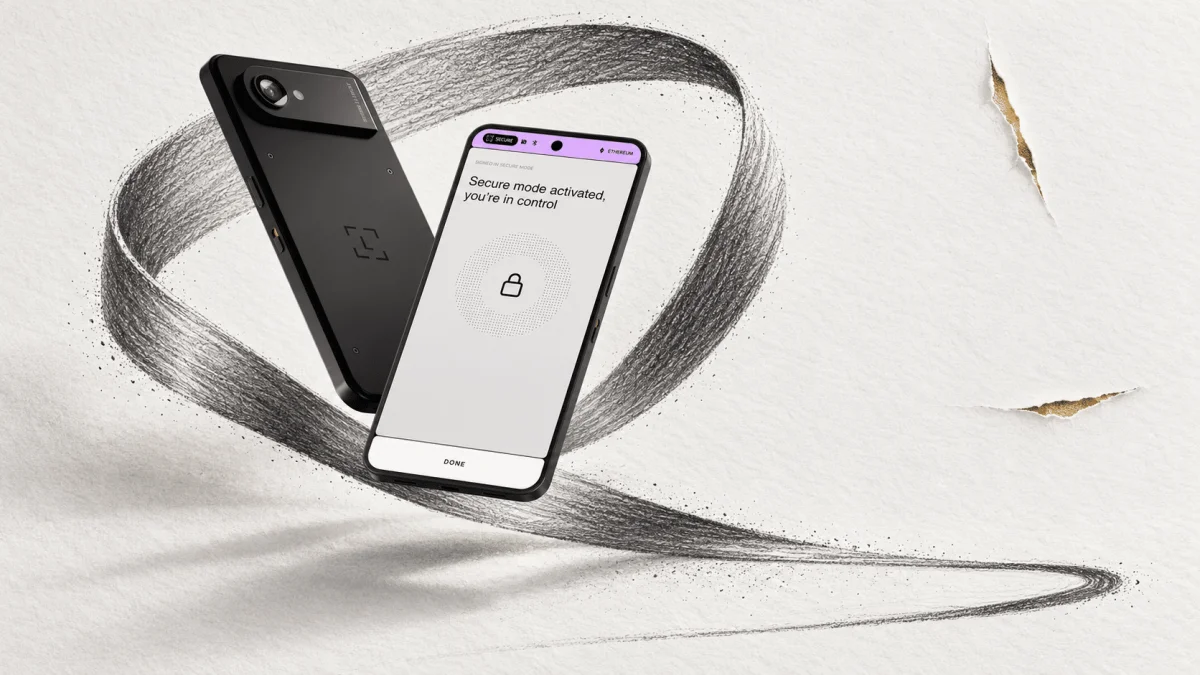
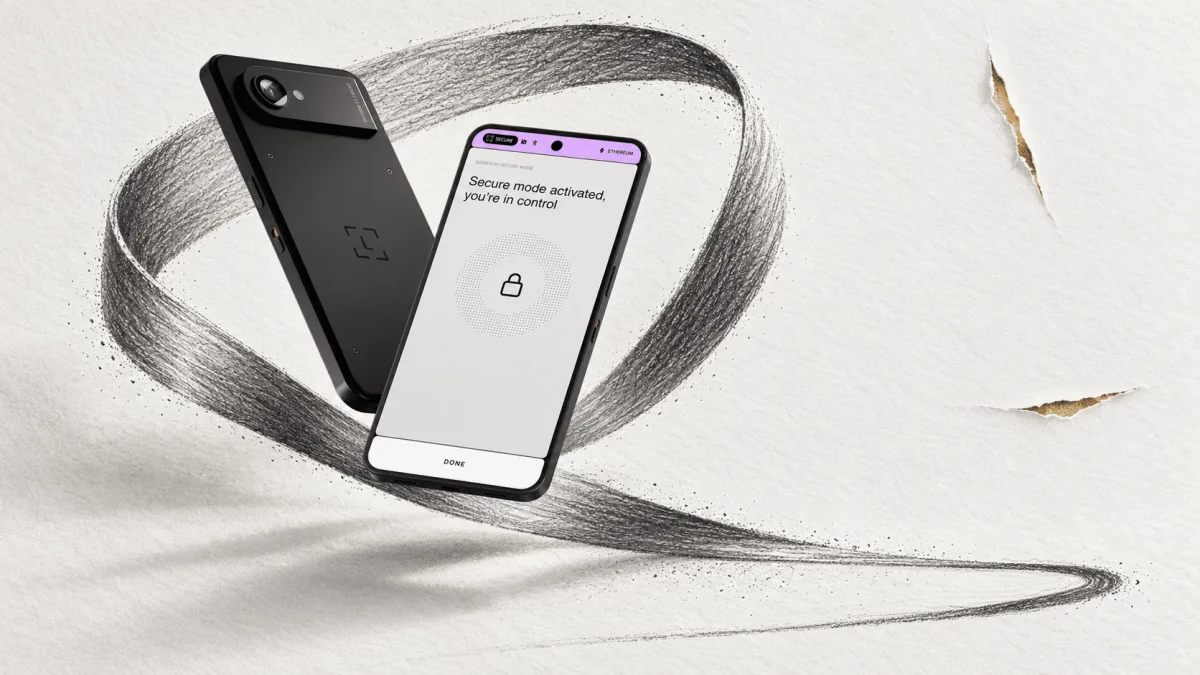
Ledger Atom extends the company’s hardware beyond transaction signers: it’s a data-connected device designed to run everyday apps while keeping transaction approval on a separate secure chip. Ledger introduced it at its Op3n 2026 event on Oct. 15 and opened reservations at $849. The device is still in development, with delivery estimated for 2027 and specifications and pricing subject to change.
The design puts two computing environments on one device. The main processor runs a standard operating system based on the Android Open Source Project, while Ledger OS runs independently on a secure chip. That separation is intended to let users interact with apps on the main system while handling sensitive approvals through hardware controlled by Ledger OS.
CEO Pascal Gauthier said customers had asked Ledger for a phone. “Today, we answer. Not with another phone. With something new,” he wrote. Atom does connect to mobile networks, but Ledger describes it as data-only: it supports 4G and 5G data and cannot place cellular calls or send SMS.
Get Unchained’s crypto news in your inbox with the free Unchained Daily newsletter.
A separate path for transaction approval
The most consequential part of Atom’s architecture may be how it handles the screen. CTO Charles Guillemet said a dedicated circuit, an FPGA controlled by Ledger OS, switches the display into Secure Mode when a user needs to approve an action. That gives the secure system control over what appears during the approval step, rather than leaving the main operating system as the only source of information on screen.
That distinction matters because a transaction can be misleading even when the user’s device appears to be working normally. An app might show one set of details while asking the device to approve another. Ledger’s design aims to give the secure chip its own route to display the information users need to check. Guillemet described the screen as a key part of the device because attacks can manipulate what a person sees.
The separation doesn’t mean every risk disappears. Users still have to review the information presented to them, and the device’s protection depends on the secure system, its display controls and the way apps interact with approvals. Atom’s public descriptions set out the intended design, but the product has not yet shipped; buyers and developers will have to assess how it works in practice once a finished device is available.
Ledger also describes an “active shield” surrounding the secure area, designed to detect tampering before a device reaches its owner. A physical Privacy Switch cuts power to the camera and microphone. These features address different concerns: the shield is aimed at interference with the secure hardware, while the switch gives users a direct way to disable two sensors. Ledger has not described these measures as guarantees against all forms of attack.
Guillemet’s account of the architecture is available in Ledger’s design post. For technical users, the practical question will be how the two systems divide control during routine app use and sensitive actions—and what the user can independently verify on the device.
Launch context and app connections
Ledger published an account of a hardware implant attack on the same day it introduced Atom. The company said criminals had modified genuine devices with hidden components that captured recovery phrases, then sold those devices through Southeast Asian resellers. Ledger said there was no flaw in its chip, operating system or servers and that it was working on additional product-level protections.
The company’s Atom announcements did not mention that incident. The timing nevertheless gives the hardware design added context: a secure chip can protect particular operations, while the device’s supply and inspection processes matter too. Ledger’s description of an active shield presents one measure aimed at detecting tampering before delivery; it does not establish how the feature will perform across every possible attack.
Atom will also arrive with app connections intended to draw users beyond Ledger’s existing signing devices. Solana Mobile named Ledger its first hardware expansion partner, and Ledger says the Seeker app will come preinstalled. Gauthier said the company is exploring integrations with Kraken parent Payward, named UAE firm Cyber50 as a launch partner and identified Persona as its first identity partner. The announcement does not specify what each integration will do, so their practical scope remains to be seen.
Another supported feature is Ledger Agent Intent. It routes requests from AI agents to a user for physical approval on a Ledger signer. Ledger summarized the model as: “Agents propose. You approve. Your Ledger signer enforces,” in a post on X. The company says the feature is available now on compatible signers. In this setup, an agent can request an action, but a person must approve it through the hardware device. That adds a human checkpoint; it doesn’t by itself explain which requests an agent may generate or how users should assess them.
Reservations, cost and delivery uncertainty
Founders Edition reservations require a fully refundable $100 deposit. Ledger lists the launch price at $849 and says orders placed after launch will cost $899. Those figures describe different purchase stages, while the final device is still in development. Ledger says both its specifications and price may change.
Delivery estimates also differ across Ledger’s materials. Gauthier’s post points to the second quarter of 2027, while the product page and launch materials give summer 2027. Ledger says timing depends on product certifications. For prospective users and app developers, that leaves a meaningful gap between reserving a device and knowing when hardware, software and integrations will be ready to use.
Atom’s significance will depend on whether its separate approval system remains clear and usable as the device adds ordinary apps and network access. The stated architecture offers a defined boundary between the main processor and the secure chip; shipping hardware and real-world use will show how that boundary holds up when both systems work together.
Related Listen: Why a $100M Ledger Reseller Attack Has Crypto Rethinking Self-Custody
The original report on Ledger Atom appeared on Unchained.