Pixagram Covers Pixa Account Fees for 250 New Users Daily Through 2026
| Shelf | DeFi & Web3 |
|---|---|
| Date in | |
| Readers | 480 |
Pixagram will pay the 20 PIXA account fee for up to 250 daily sign-ups, while its on-chain social and art features carry trade-offs around privacy and permanence.
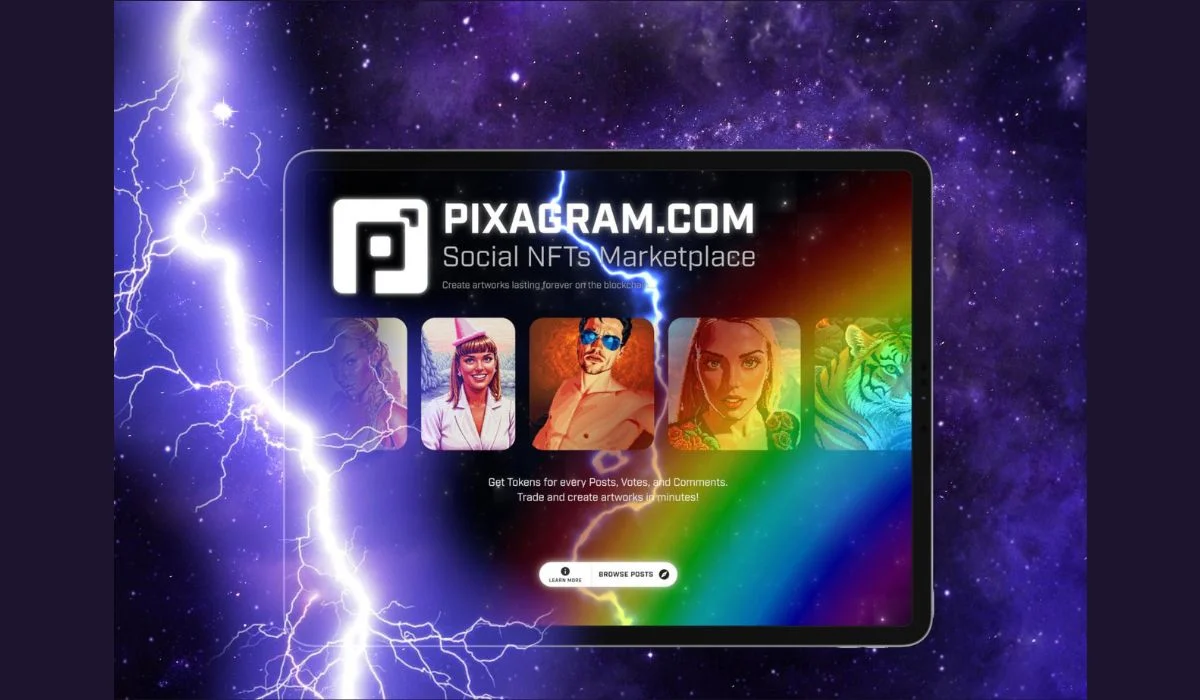
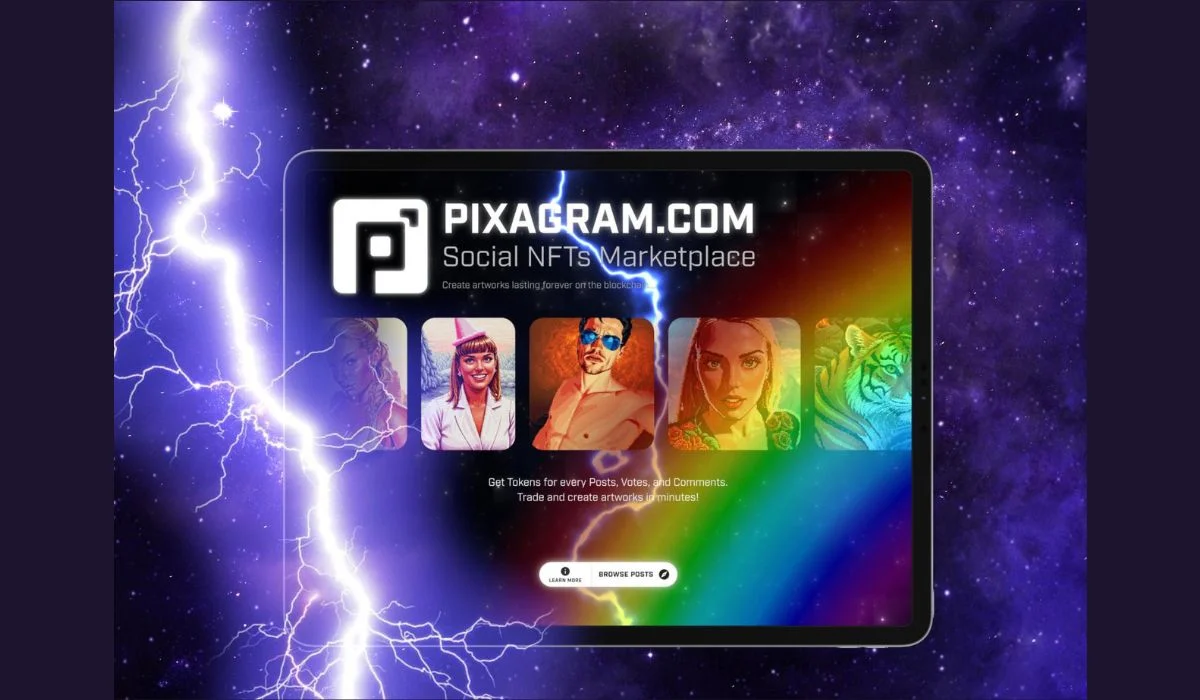
Pixagram is covering the Pixa network fee for as many as 250 new accounts each day through the end of 2026. The offer removes the stated fee of around 20 PIXA for eligible sign-ups, lowering the upfront barrier to using a social platform where posts, comments, and community curation are recorded as transactions on the Pixa Layer 1 blockchain.
That arrangement makes account creation free to the user under the offer, but it doesn’t make the service costless in every sense. Activity is tied to a public blockchain, and the project’s own description says an account’s handle remains associated with its on-chain record subject to network rules and technical conditions. Users should weigh that persistence against the convenience of a recognizable username.
Eligible new members can claim an @username at Pixagram.com. Pixagram says one-time phone verification is used to limit abuse of the daily allocation. The number of available accounts is capped at 250 per day, so access depends on the offer’s eligibility and daily capacity. The fee coverage is described as running through December 2026.
Handles double as wallet addresses
On Pixa, an @username serves as an on-chain wallet address. That gives members a legible identity in place of a randomly generated string, while linking that identity to blockchain activity. A pseudonymous handle may help separate a creator’s public profile from their legal name, but it does not make activity private: transactions recorded on a public chain can remain visible and connected over time.
Pixagram describes the username record as persistent once registered. The source qualifies that permanence by reference to the chain’s rules and technical conditions, so it should not be read as an unconditional guarantee. For users, the practical point is that selecting a handle may have longer-lasting consequences than choosing a profile name on a conventional service.
The platform says new accounts receive a starter delegation of stake, which supplies Resource Credits for posting and curation. This is intended to let members begin using core features without first buying PIXA. The account fee offer and the delegated resources serve different purposes: the first covers registration, while the second is described as supporting network activity after sign-up.
Posts and artwork are stored on-chain
Pixagram’s social model places posts, art, followers, and feeds on the Pixa chain. The project says this structure lets members reach their followers directly, without advertising or an intermediary controlling distribution. That is a design claim, and the user experience still depends on application interfaces: an interface may hide a post from its own view even when the underlying transaction remains on the chain.
The storage model also matters for digital art. Some NFT services record token ownership on-chain while keeping the associated image on a separate server or storage network. Pixagram says Pixa stores each artwork inside its post as a lossless image, so the image data and post are recorded on the chain together. It describes compact pixel art as rendering at up to 4K resolution, with options including painting, CRT, hexagonal, and square-pixel effects.
On-chain storage changes the dependency from an external image host to the chain’s own data and technical limits. It can preserve a direct link between a post and its artwork, but permanence also means mistakes or unwanted material may be difficult to remove from the underlying record. The article does not specify storage costs, data limits, or how the chain handles future technical changes.
Direct sales of on-chain art are planned for 2027, according to the source. Until then, Pixagram frames published work as a portfolio ahead of that marketplace release. That timetable is a stated plan, not a functioning sales feature, and no details are supplied about how sales or creator proceeds would work.

Community curation shapes reward allocation
Pixagram uses a mechanism it calls Proof-of-Brain, which allocates rewards in relation to posting, commenting, and community curation. The project says 70% of newly issued PIXA goes to content selected by the community. Of that pool, 60% is allocated to authors and 40% to curators after seven days. Those figures describe the platform’s stated distribution model; the source does not provide the issuance schedule or explain how reward amounts vary between participants.
Authors may receive Pixa Power, which the source says determines curation weight and supports participation in governance mechanisms. Curators may also receive Pixa Power. Authors can also receive Pixa Supra (PXS), described as a unit that an oracle references to an agnostic purchasing power index rather than a fixed dollar value. The article does not detail the index, oracle design, or how PXS is used in practice.
This reward structure gives community activity a role in how newly issued tokens are distributed. It also makes participation and curation central to the platform’s economics. The source provides no figures on current users, reward totals, or how concentrated these allocations are, so the published percentages alone don’t show how rewards are distributed in practice.
Chain design and open questions
Pixa is described as a standalone chain built from the Hive codebase, with Steem lineage, a clean genesis block, and no airdrop. It produces a block every three seconds, according to Pixagram. The chain’s transaction record can remain even if an application interface stops displaying a post; that distinction is central to the platform’s claim of resistance to censorship and a practical limit for users seeking to remove content.
The project also describes PAPH-X, an open-source perceptual fingerprint tool for identifying copies of pixel art, and says its Search V4 engine indexes artwork. These tools address discovery and duplicate detection, but the source gives no information about detection accuracy, dispute handling, or how creators can challenge a match.
Pixagram co-founder Matias Affolter characterized the service as an alternative to feed systems controlled by intermediaries. Co-founder Mathiew Estepho said fee coverage is intended to let creators start without paying the registration cost. These are the founders’ descriptions of the product’s aims; they don’t establish how reach, curation, or rewards will work for each user.
The account offer is available at Pixagram.com, and technical documentation is listed at pixa.org. For prospective members, the key decision is whether a persistent on-chain identity and public content record fit their needs. The free registration removes one initial expense, while the chain’s permanence, reward mechanics, and still-planned art sales remain material parts of the platform to assess.