Keeper Uses Blockscout API to Unify EVM Transaction History Across Chains
| Shelf | Bitcoin |
|---|---|
| Date in | |
| Readers | 531 |
Keeper uses Blockscout for EVM activity records and explorer links, while provider fallbacks and added metadata support its multichain wallet.
Keeper’s multichain interface depends on a less visible piece of infrastructure: consistent transaction data across networks. The wallet uses Blockscout’s Pro API to show account activity on Ethereum, Base and Arbitrum, then links users to the corresponding Blockscout explorer for deeper on-chain checks. The setup pairs one in-app activity view with chain-specific records from an explorer.
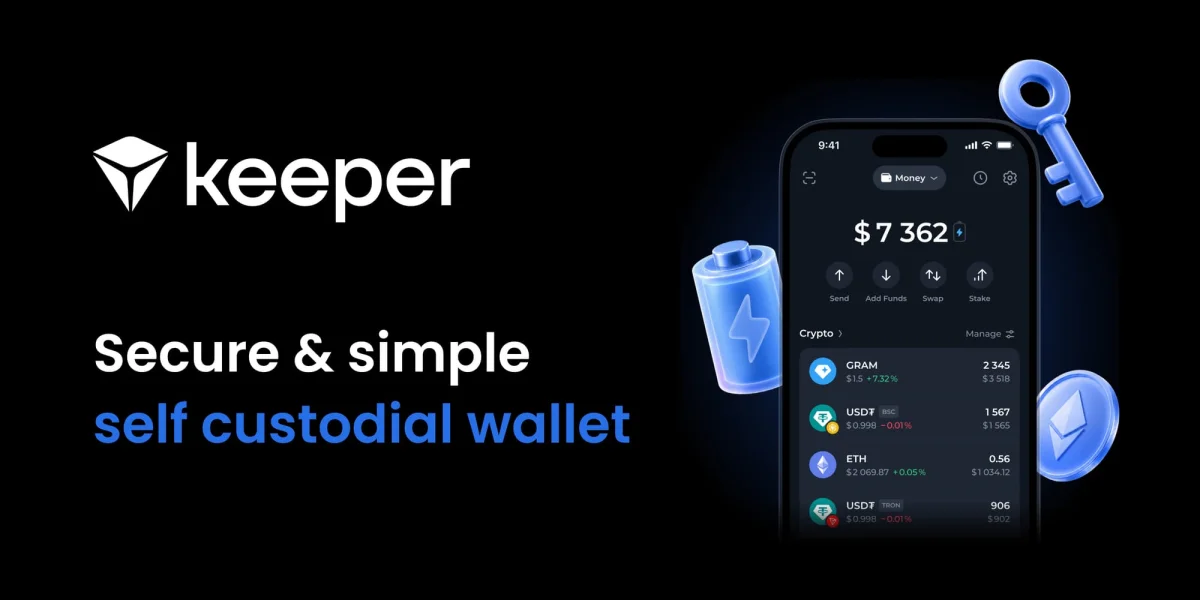
Formerly Tonkeeper, Keeper began as an independent self-custody wallet focused on TON. It has since expanded to Bitcoin, Ethereum, Arbitrum, Base, BNB Chain and TRON, with support for multiple networks in one app and one seed phrase. The team describes its product as open source and self-custodial: private keys stay on a user’s device, and the wallet does not require an account or identity check.
That design puts pressure on the data layer. A portfolio spanning different chains needs to present transfers and contract activity in a form users can compare, while still reflecting the details of each network. Keeper says it handles this through a shared data model and a provider setup that gives each chain and each task a primary source and a fallback.
What Blockscout supplies
On Ethereum, Base and Arbitrum, Blockscout’s Pro API supplies the account activity shown in Keeper. Its records include native ETH transfers, ERC-20 transfers, contract interactions such as swaps and dApp transactions, as well as transaction status, fees and timestamps. The API also supports the wallet’s links to Blockscout’s chain explorers.
The user experience combines data from both systems. After someone sends ETH, Keeper first marks the transaction as pending in the activity feed. Once it’s confirmed, the API returns the final transaction record, including amount, token, counterparty, network fee and status. Keeper adds fiat values and token details, since those enrichments aren’t included in the activity data it receives.
A transaction detail screen includes a “View in explorer” link. For Ethereum, that opens the transaction on eth.blockscout.com; addresses open on the matching explorer for their network. Users can handle routine activity inside Keeper and follow the explorer link to inspect the associated transaction or address.
A shared interface, with provider fallbacks
Keeper’s stated reason for choosing Blockscout is that its API and explorers draw on the same indexer. That means the app’s transaction information and the explorer’s record come from a common data source, making it easier for users to compare them. Blockscout is also open source, a quality the Keeper team says aligns with its own approach to publishing wallet code.
The API uses the same endpoints and response format across Ethereum, Base and Arbitrum. Keeper built one client and passes in the relevant chain, while explorer URLs for transactions and addresses are stored as templates in remote configuration. According to the team, that arrangement lets it add a chain or adjust a link without requiring an app update.
Blockscout says it runs explorers across many EVM networks and layer 2s. For Keeper, that existing coverage could reduce the integration work involved in supporting additional EVM networks. Before adopting Blockscout, the wallet linked users to a different explorer for each chain; the current approach gives those users a more consistent explorer interface.
Integration still required work. Keeper reported slow API response times under load early in the process. Its team shared request measurements and logs with Blockscout, and the teams worked to reduce response times before launch. The account doesn’t provide performance figures, so the scale of the improvement isn’t quantifiable from the information provided.
Activity records also arrive without pricing or complete token metadata. Keeper added its own layer for token information and prices, which it uses to display fiat values and labels for verified tokens. That distinction matters when evaluating the app’s screens: some displayed details come from Keeper’s enrichment systems rather than directly from Blockscout.
Different chains, one activity feed
TON data continues to come from TonAPI, infrastructure built by the Tonkeeper team. For other networks, Keeper uses a provider-agnostic layer: each chain’s tasks, including balances, activity, fee estimates and transaction broadcasting, can be assigned a primary provider and a fallback. The app then receives information through a standard data model.
The engineering challenge, as the team describes it, was to make unlike activity legible in the same feed. A Bitcoin transfer, a Base swap and a TON jetton transfer have different underlying formats, but Keeper aims to present them in a consistent way. Fallbacks are intended to contain the impact of a slow provider to the affected task and chain, rather than slowing the entire wallet. That architecture can limit a single point of friction, though it still depends on the quality and availability of the providers serving each task.
Keeper says its next steps include adding EVM networks in response to user requests and extending Battery, its feature for paying network fees, to more chains and transaction types. The team also listed trading and prediction market features as upcoming additions inside the wallet. Those plans would broaden the actions available in the app, while increasing the importance of clear transaction data and reliable chain-specific records.
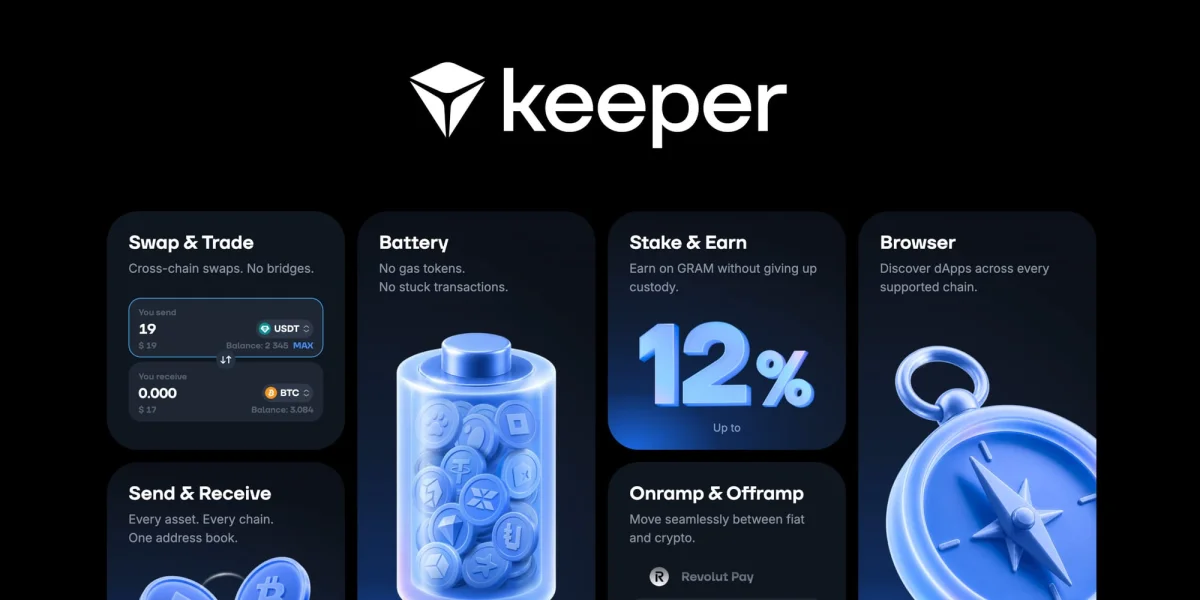
The integration’s central tradeoff is straightforward: a unified wallet view simplifies navigation, but users still rely on several underlying data providers and Keeper’s own enrichment layer. Explorer links offer a way to inspect EVM records outside the wallet. As Keeper adds networks and features, consistency across those sources will remain a practical test of the multichain experience.
Keeper provides its website, download page, X account, Telegram channel and GitHub repository. Blockscout’s API information is available at dev.blockscout.com.