HTX September Reserve Report Conflicts With Ethereum Token Balances
| Shelf | Ethereum & Altcoins |
|---|---|
| Date in | |
| Readers | 884 |
HTX’s September report lists USDS and USDD amounts that differ from balances at its cited Ethereum block, renewing questions about its asset checks.
HTX’s September proof of reserves lists two stablecoin balances that do not match the cited Ethereum addresses at the report’s stated block. The discrepancies concern 360,949.90 USDS and 44,975,772 USDD, and add to a previously reported asset-label mismatch in the exchange’s reserve disclosures.
The issue isn’t simply that a number may have been entered incorrectly. A reserve report ties assets to specific addresses and a snapshot point on a blockchain. If either the balance or the asset identification is wrong, readers can’t use that entry as a reliable account of what the address held at the time. The source material doesn’t establish why the figures differ or how HTX checks those entries.
USDS listed before the address received it
HTX, which is owned by Justin Sun, reported 360,949.90 USDS at the Ethereum address 0xdaa4393013f359fd63a133a3b893d311aba4e471. Its September proof of reserves gives block height 25,876,316 as the snapshot point and is dated September 1.
But the address held 0 USDS at that block, according to the account balance check cited in the source. The transaction history shows that the address received USDS at block 25,889,452, which came on September 2—after the report’s stated date and snapshot height. That later receipt can’t account for a USDS balance at the earlier block.
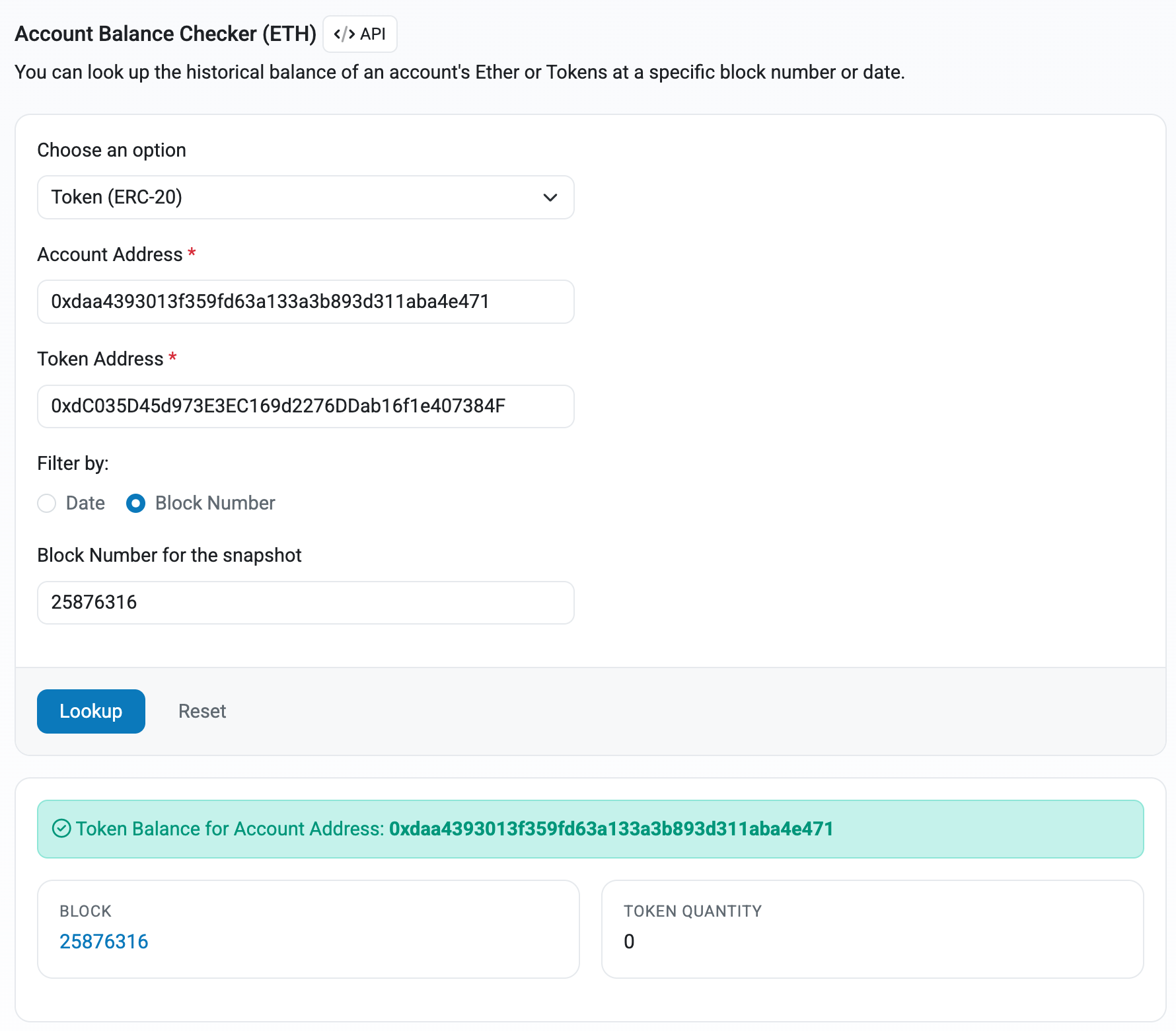
The timing makes the discrepancy testable: the report names both an address and a historical block, so the balance can be checked against the chain state at that precise point. A current balance, or a transfer made later, would not answer whether the asset was present in the snapshot.
USDD figure also differs from the chain balance
The report also lists 44,975,772.00 USDD at 0x18709e89bd403f470088abdacebe86cc60dda12e at the same block height, 25,876,316. The address’s balance at that point was 44,886,000 USDD, according to the cited balance check.
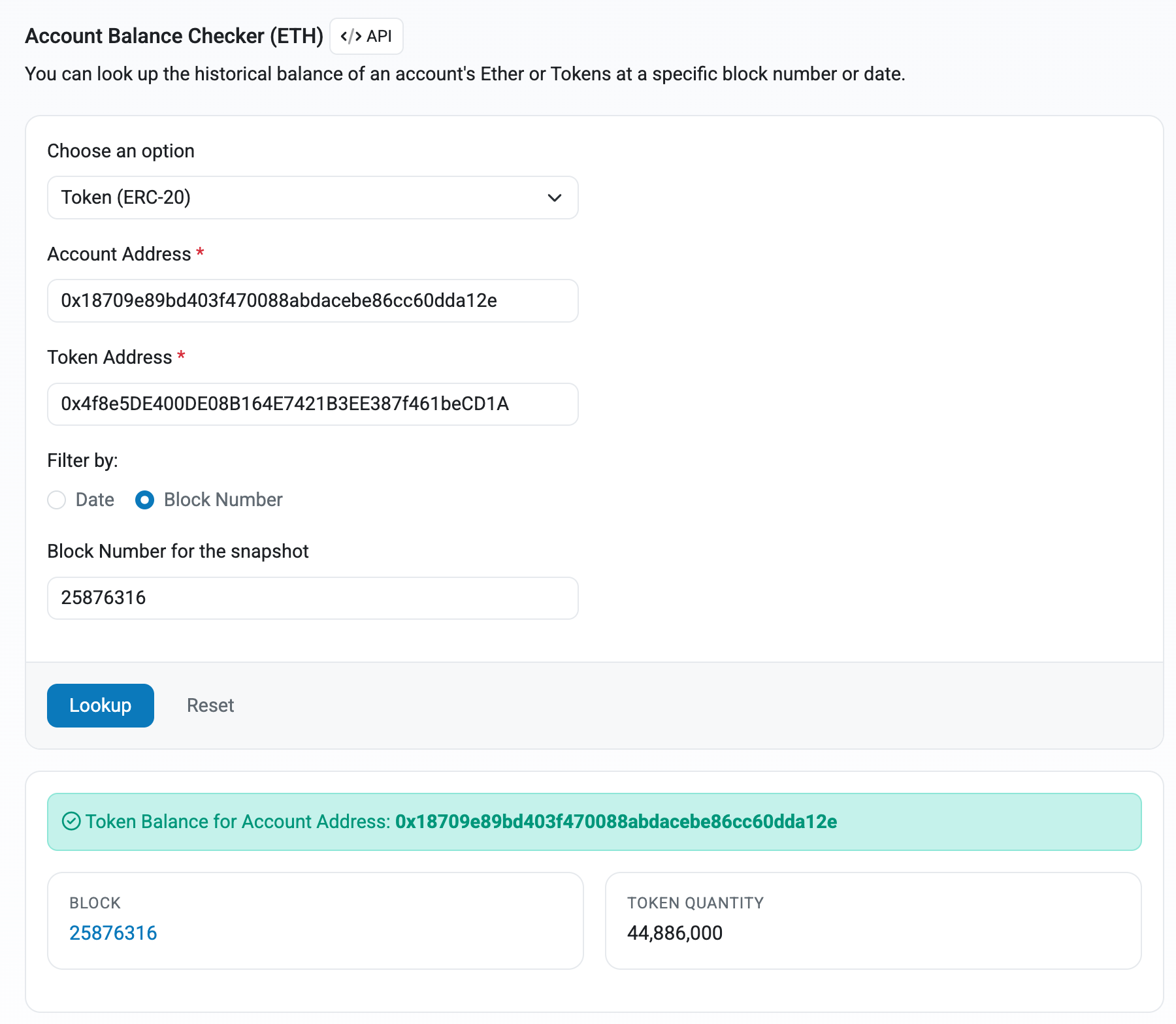
Unlike the USDS entry, this comparison is not a reported zero against a positive figure: the address did hold USDD, but the report’s amount was higher than the cited on-chain balance. The two examples therefore point to distinct checks that matter in reserve accounting: confirming the right token is attributed to an address, and confirming the reported quantity matches the chain at the specified block.
Proof-of-reserves disclosures typically depend on identifying assets and recording balances at a defined point in time. A blockchain snapshot can show the token holdings of an address at that block, but the address balance alone doesn’t establish an exchange’s complete financial position or show how its assets compare with customer liabilities. That comparison depends on the scope and method of the disclosure, including whether the listed assets and obligations are matched consistently.
Earlier asset-label discrepancy
The September figures follow another reported issue in HTX’s historical disclosures. In its May proof of reserves, the exchange listed a quantity of STEAK-USDC at an address that did not hold STEAK-USDC at the cited block. The address did hold an equivalent amount of sUSDS, a mismatch that suggested the disclosure may have confused the asset labels.
Read more: Tether has publicly listed a company that partially controls USDS
That earlier example differs from the September USDD entry: it involved an apparent token-identification problem, while the USDD comparison concerns the quantity reported for the named asset. Taken together, the cases raise questions about how HTX maps token balances to report entries, validates historical snapshots and checks that reserve figures are aligned with the assets they purport to describe.
Those questions matter to users and other readers who rely on reserve disclosures to assess an exchange’s stated holdings. A mismatch doesn’t, by itself, establish the size of any liability or explain the cause of an error. It does mean that a report’s figures need to be reconciled against the underlying addresses and block heights before they can serve as a clear account of reserves.
Protos said it contacted HTX about the discrepancies but received no response before publication. The available information therefore does not clarify whether the exchange will correct the figures or explain how they were produced. The concrete point for readers is that both listed balances can be checked against the historical chain state—and that the two cited comparisons do not match.
Got a tip? Send us an email securely via Protos Leaks. For more reporting, follow Protos on X, Bluesky, and Google News, or visit its YouTube channel.
The post HTX’s proof of reserves doesn’t match its blockchain balances appeared first on Protos.