Blockscout v12 Cuts Event-Log Storage by 41% and Adds Token API Endpoints
| Shelf | Ethereum & Altcoins |
|---|---|
| Date in | |
| Readers | 373 |
Blockscout v12 changes log storage, adds three free token endpoints and updates indexing, search and explorer features. API users should check for breaking changes.
Blockscout v12 targets a costly part of running a blockchain explorer: event-log storage. The release changes how the indexer stores those records, reducing the logs table by 41% in staging tests. Blockscout estimates that production instances could see a 10% to 22% drop in total disk use, with the potential benefit most relevant to operators indexing high-volume chains.
The change also matters to API users. getLogs is currently Blockscout API users’ most popular request. Since logs record events emitted by smart contracts, they are both a key source of on-chain data and a substantial storage burden. Version 12 revises their database representation rather than changing what the records mean to applications.
Storage savings come from several database changes
Blockscout says this is its first release focused on event logs. It extends storage work begun in versions 9 through 11, which addressed internal transactions. The v12 changes combine deduplication, narrower representations and compression:
- Repeated topic data is separated. The first event topic is stored in its own table instead of being copied into every log record.
- Topic padding is removed. Leading zeroes are stripped from the second, third and fourth topics, reducing repeated bytes in the database.
- The logs table is leaner. Its primary key has changed, and logs from non-consensus blocks are no longer kept in that table.
- Addresses use numeric references. Compact IDs replace full address hashes in log records, extending an approach Blockscout previously applied to internal transactions.
- Log data is compressed. The release uses LZ4 for event-log data.
The reported 41% reduction applies to the logs table in staging, not to every Blockscout deployment. The broader estimate—10% to 22% less disk space in production—depends on the share of an instance’s storage occupied by logs and other deployment characteristics. Less stored data can reduce hosting requirements and make maintenance easier, but operators will need to assess the impact against their own chain volume and database configuration.
Three token endpoints join the free Pro API plan
Version 12 adds tokenholderlist, tokenholdercount and tokeninfo to Blockscout’s free Pro API plan. These endpoints expand access to token-holder and token information, complementing the existing v2 holder-data route, api/v2/tokens/:address_hash/holders.
Blockscout says the new endpoints will be familiar to developers who have used comparable paid endpoints from Etherscan. That may make adapting existing data workflows more straightforward, but API compatibility shouldn’t be assumed: the release includes breaking changes for API users. Teams should review the v12 API change documentation before updating clients. A reference list of Pro API endpoints describes the available calls.
Explorer interface and search updates
The accompanying frontend v2.12.0 release adds support for ERC-8056, also called the Scaled UI Amount token standard. The indexer and interface now support this standard so token balances can be displayed according to the scaling intended by issuers. For users comparing displayed balances with raw on-chain values, the distinction is relevant: the interface’s presentation depends on the token’s metadata and standard support.
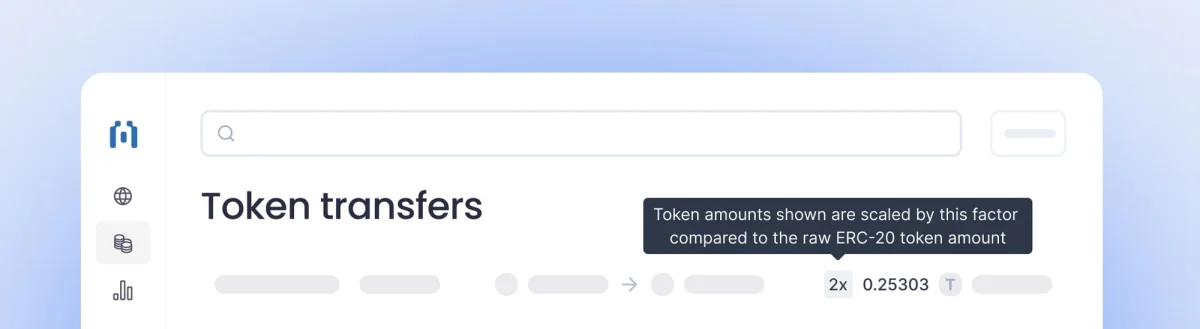
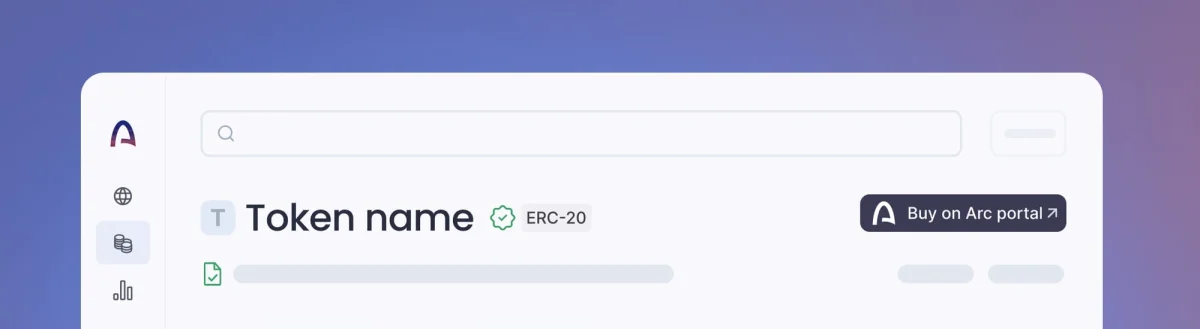
The interface also adds xDai bridge activity to the Gnosis explorer. On the Arc instance, a token page includes a control that takes users to a token-purchase flow; Blockscout says this feature may reach other instances later. Its presence is an interface change, not an indication about a token’s quality or suitability.
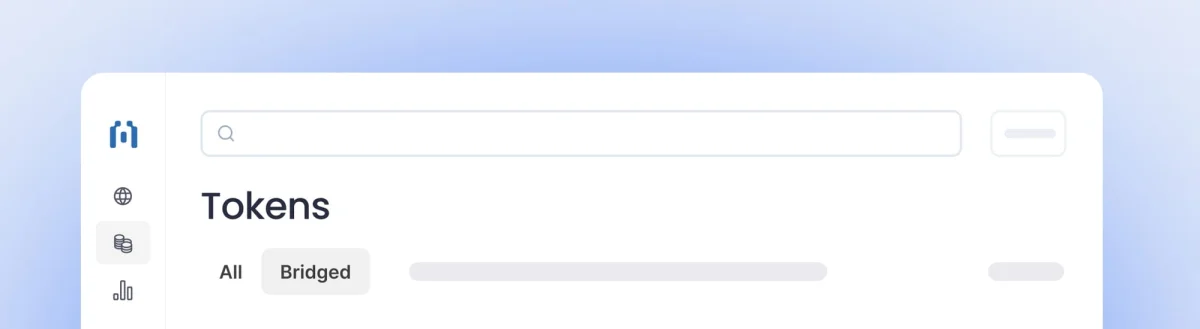
Other interface changes include PostHog support for teams running their own analytics, as an alternative to Mixpanel, and clearer labels for OP Stack transaction types. Search and filtering gain ENS-name support in advanced transaction filters, partial-name matching through an updated BENS microservice, and performance improvements across a range of filter queries.
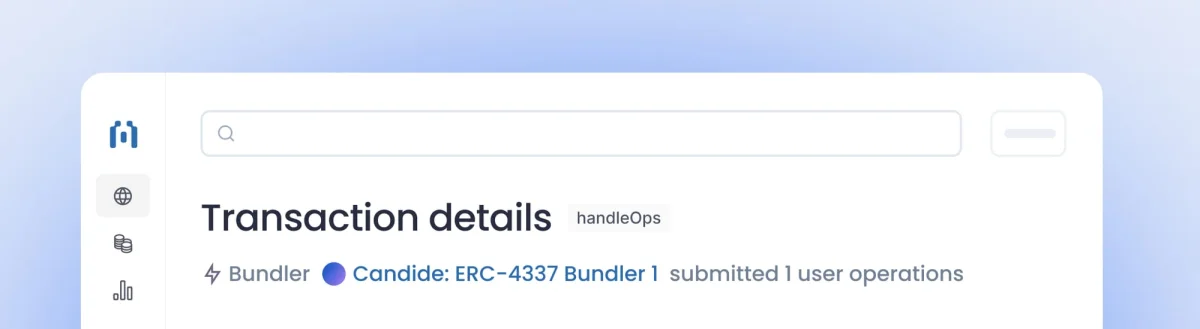
Indexer coverage and deployment controls
The backend updates cover more than storage. Block imports now carry less overhead, token-balance indexing has higher throughput, and the multichain explorer can backfill token balances. A new indexer handles NFT media types, while token metadata can reference Swarm content through bzz:// URLs. Blockscout has also moved its Sourcify integration to v2 endpoints.
OpenAPI coverage has expanded for Stability, Shibarium, ZKsync, api/eth-rpc methods and EigenDA. Operators that depend on an external node can now disable Blockscout’s JSON-RPC API. For OP Superchain deployments, setup can derive most parameters from a supplied Superchain configuration URL.
Patch and rollout
Blockscout has released and deployed patch v12.0.1. It includes a fix for an advanced-filters bug, fixes for Glamsterdam consensus-node support, historical coin prices from CoinGecko and an Elixir version update.

Blockscout says v12 has passed quality checks and is rolling out to hosted instances over the coming weeks. Independent chain operators can review the backend release notes and frontend release notes. The key work for existing integrations is to check the API changes before upgrading; for infrastructure teams, the storage figures offer a useful estimate, but actual savings will depend on each instance’s data mix.